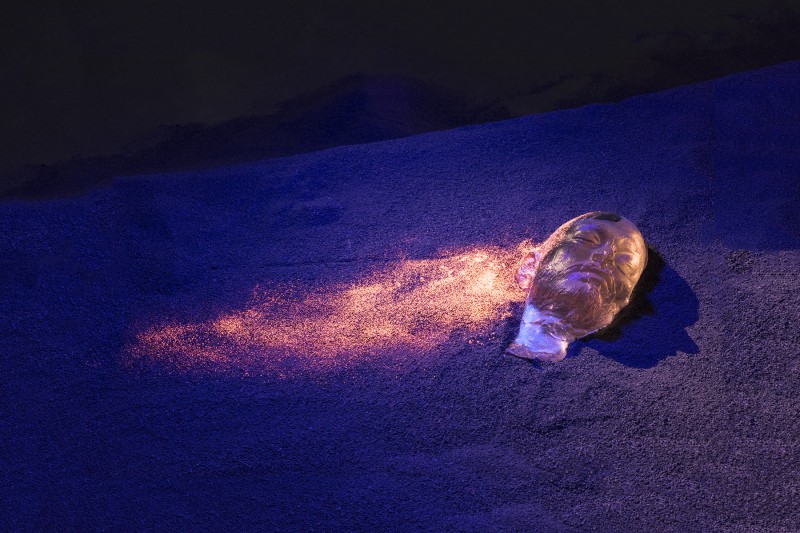
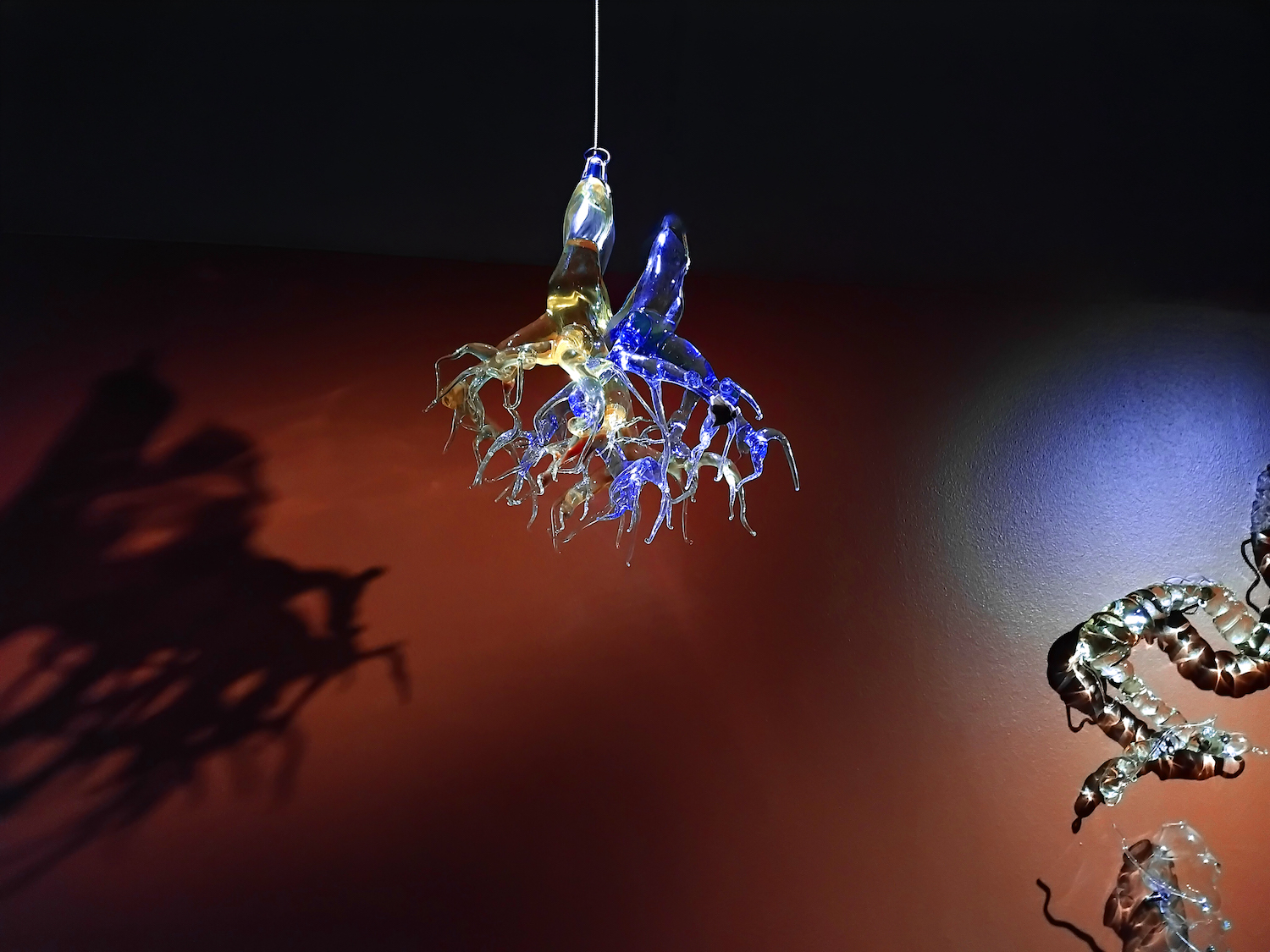
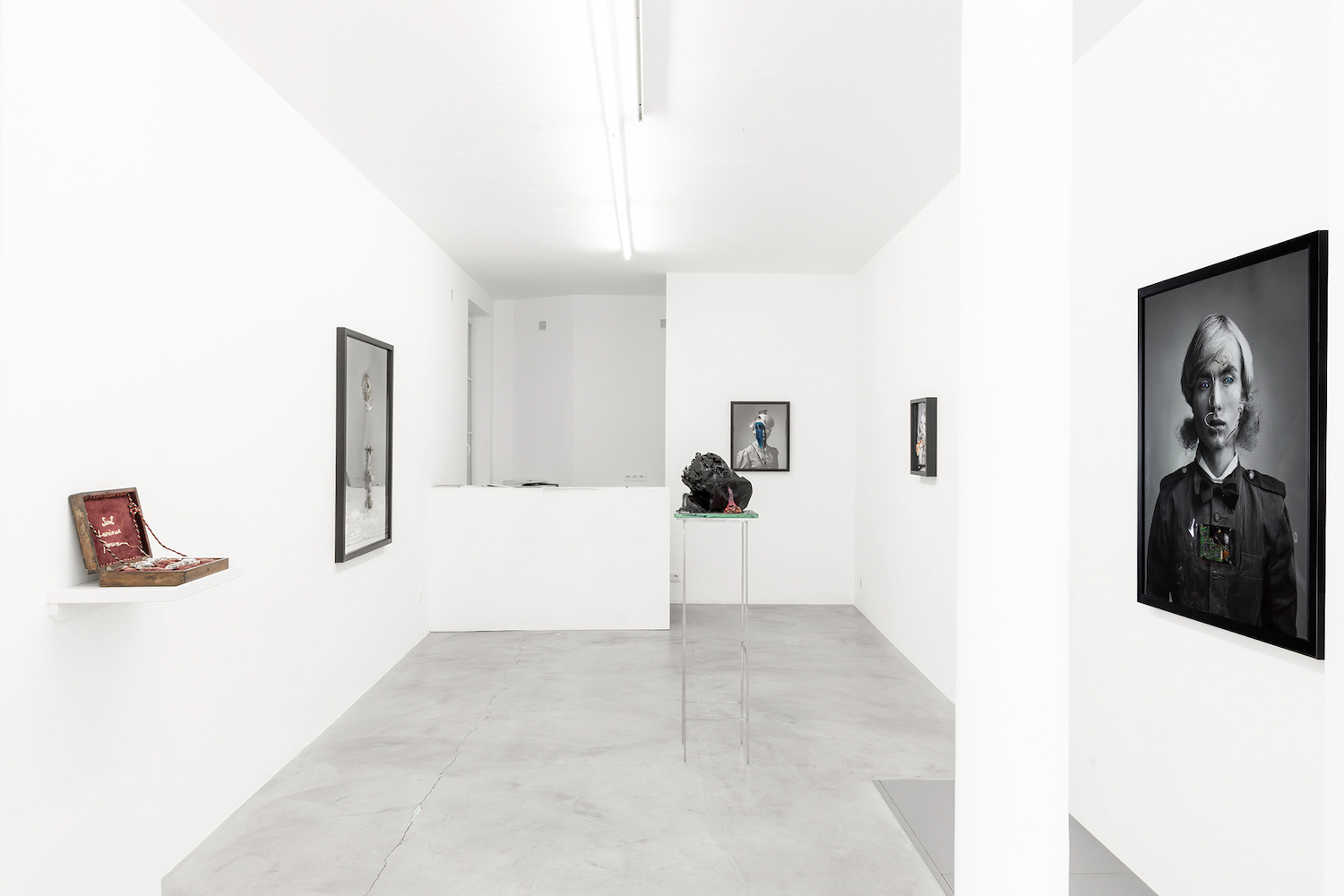
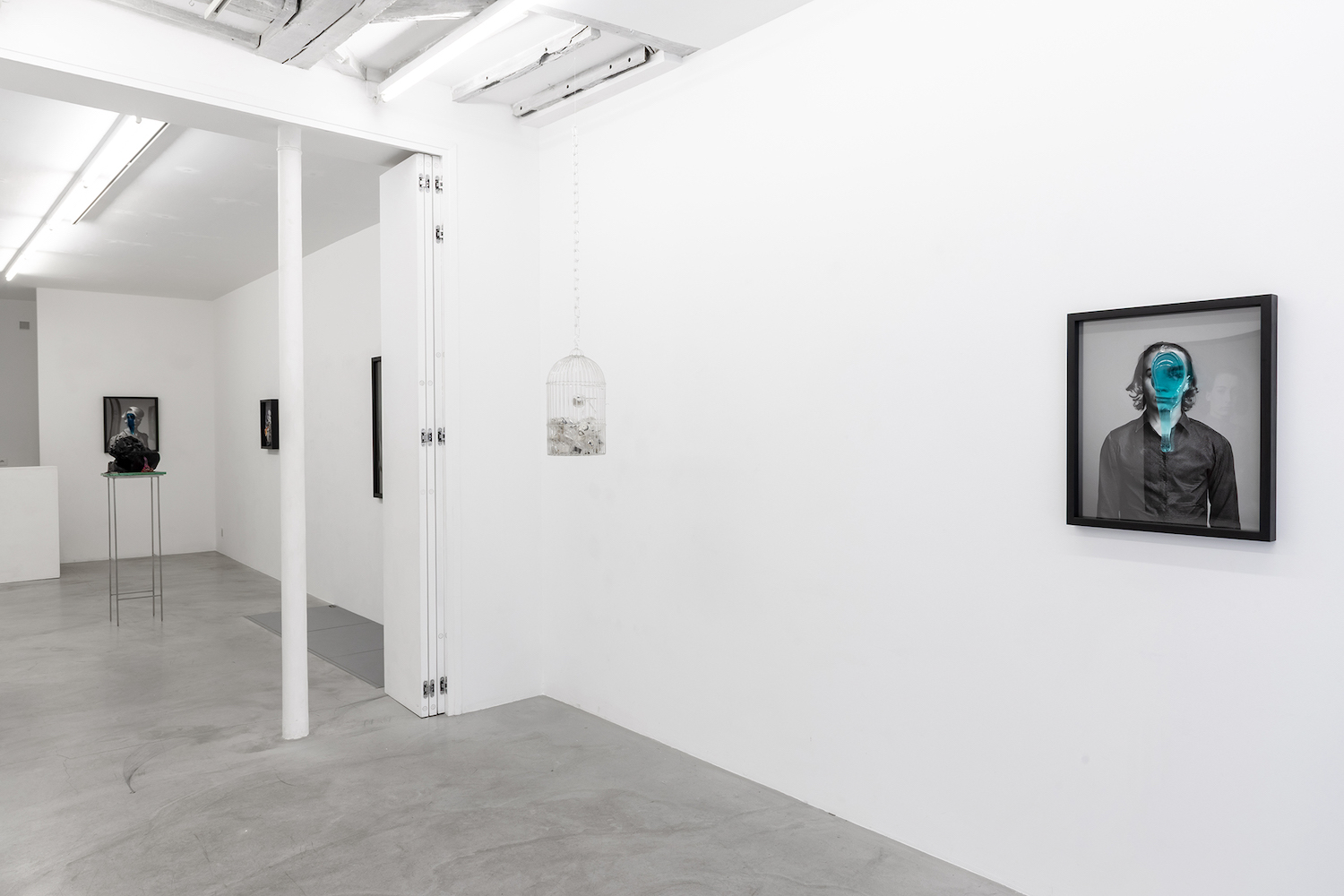
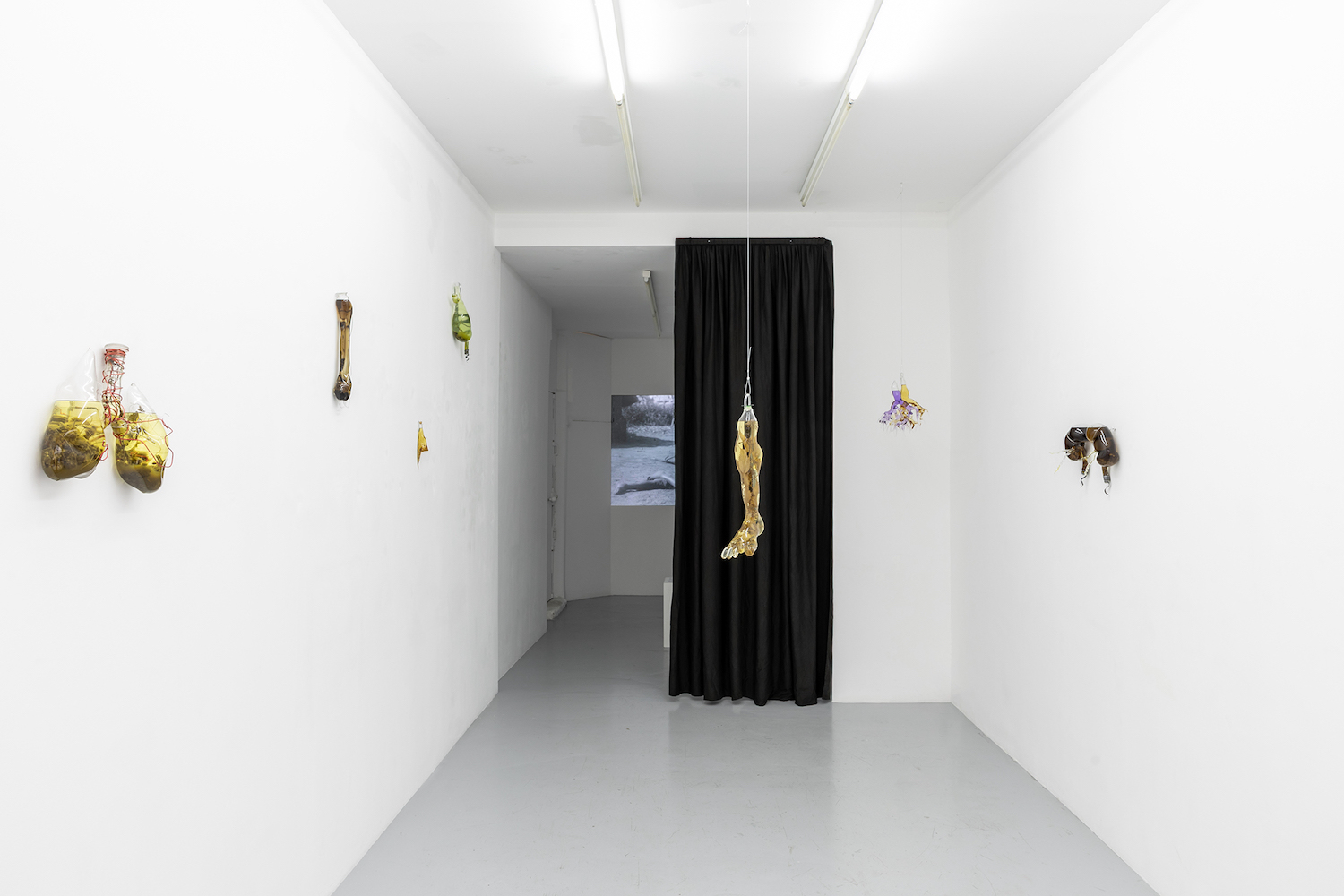
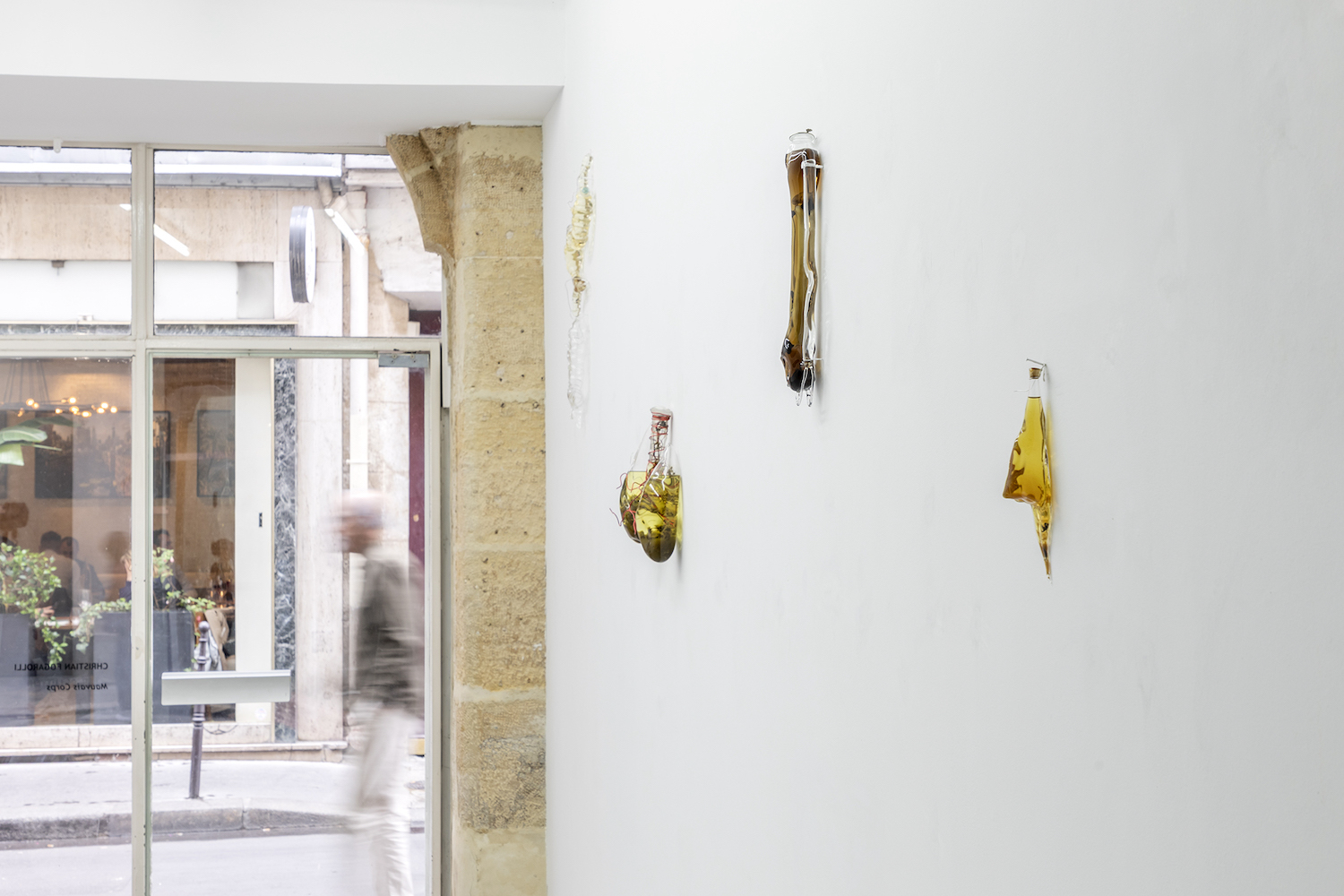
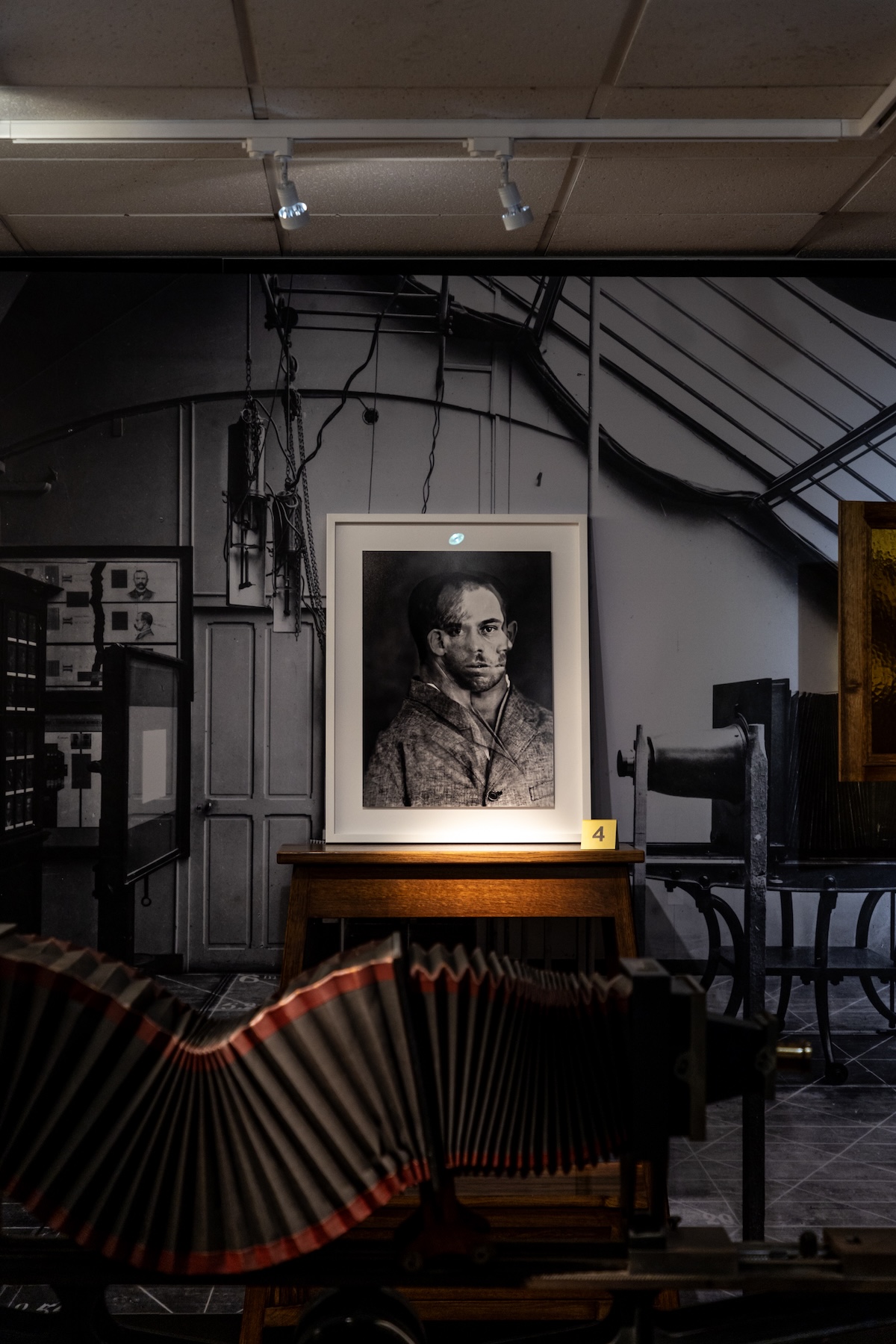
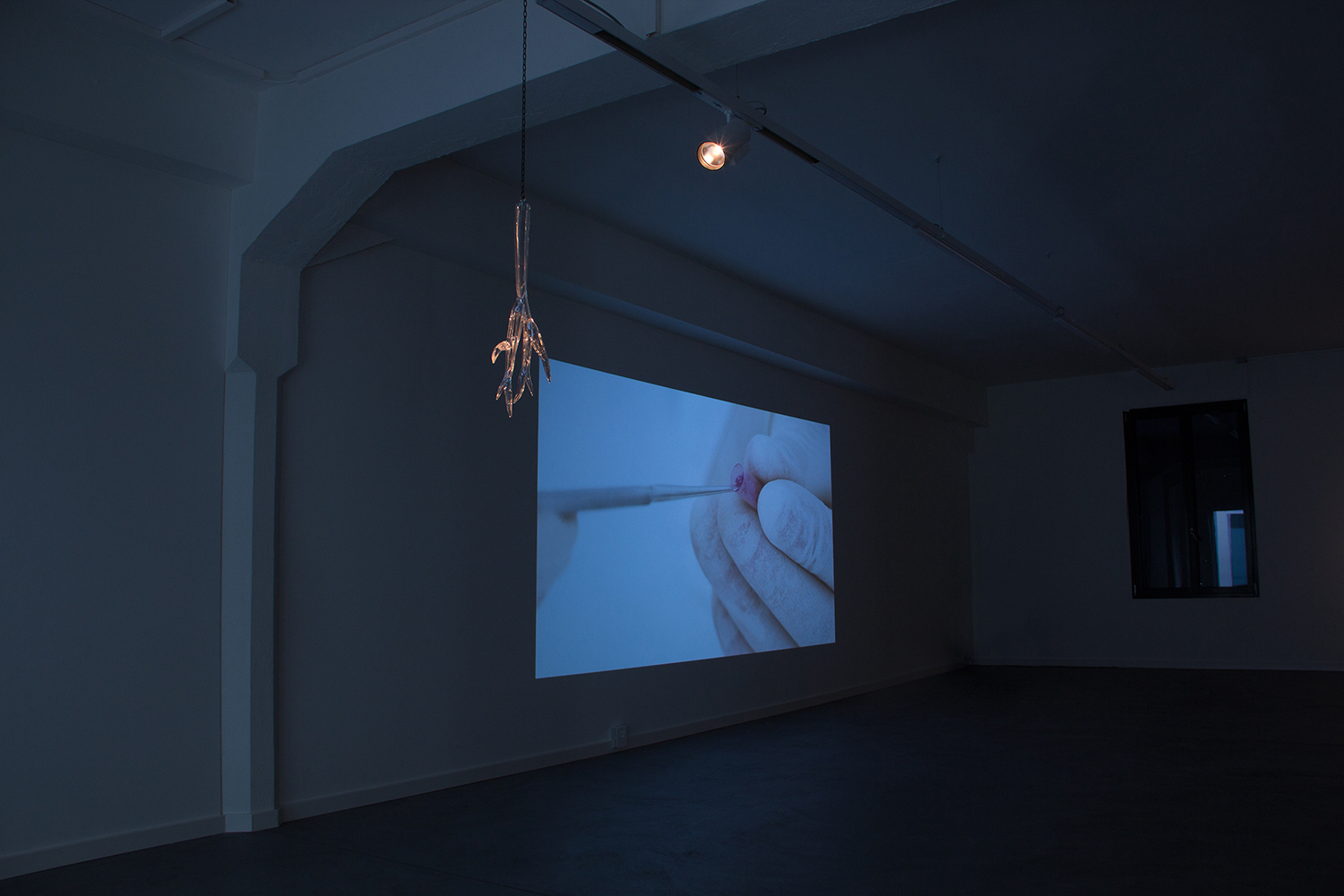
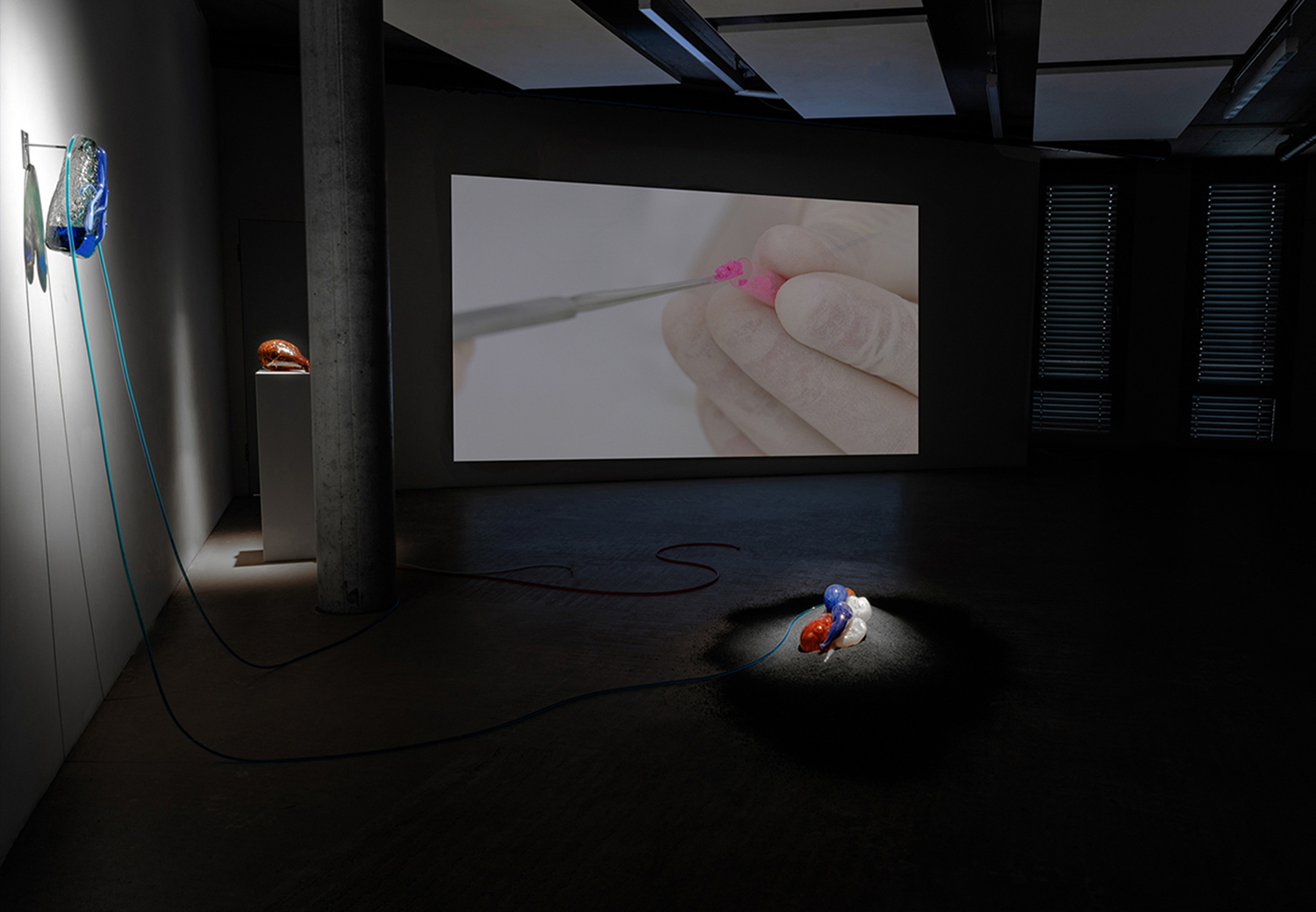
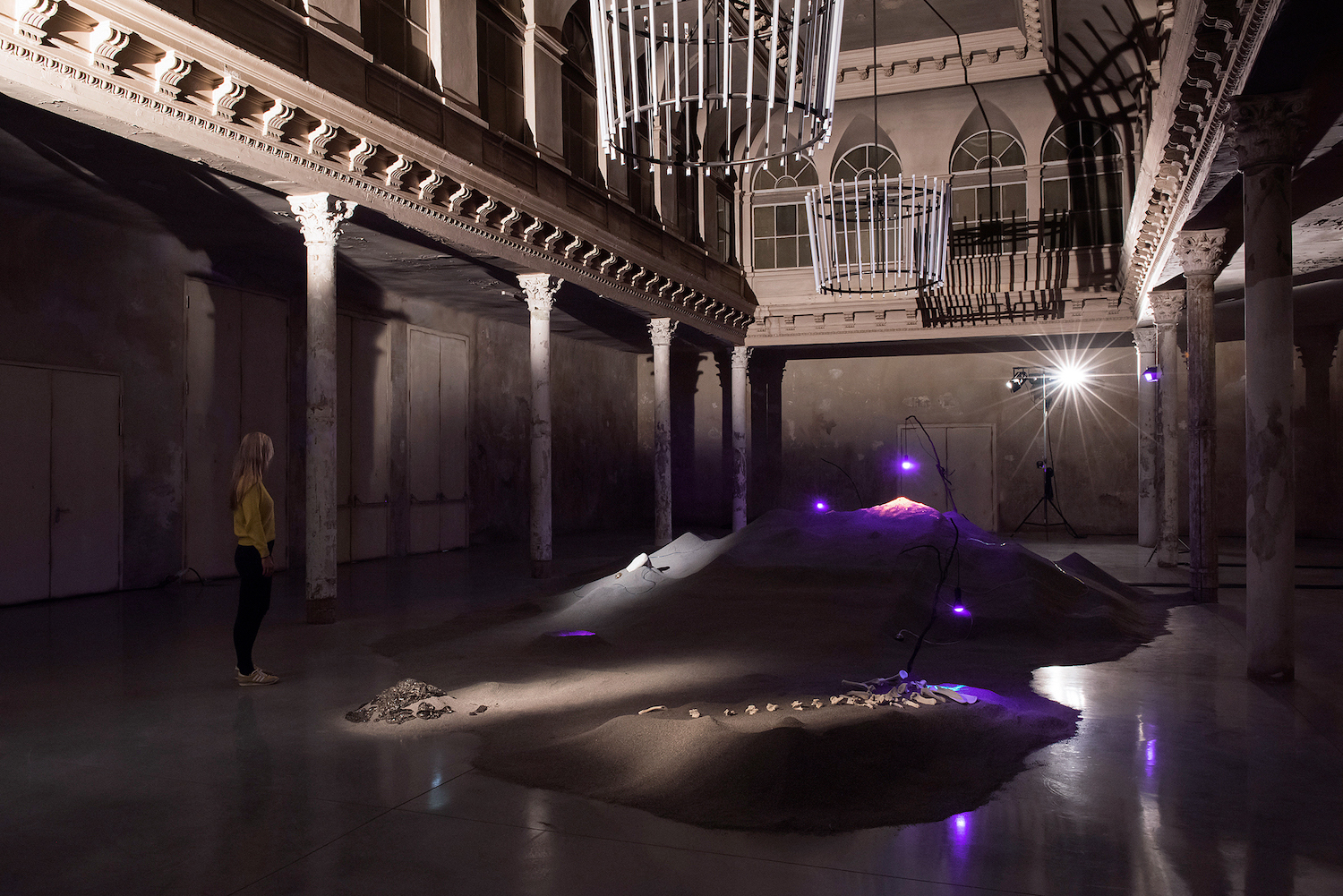
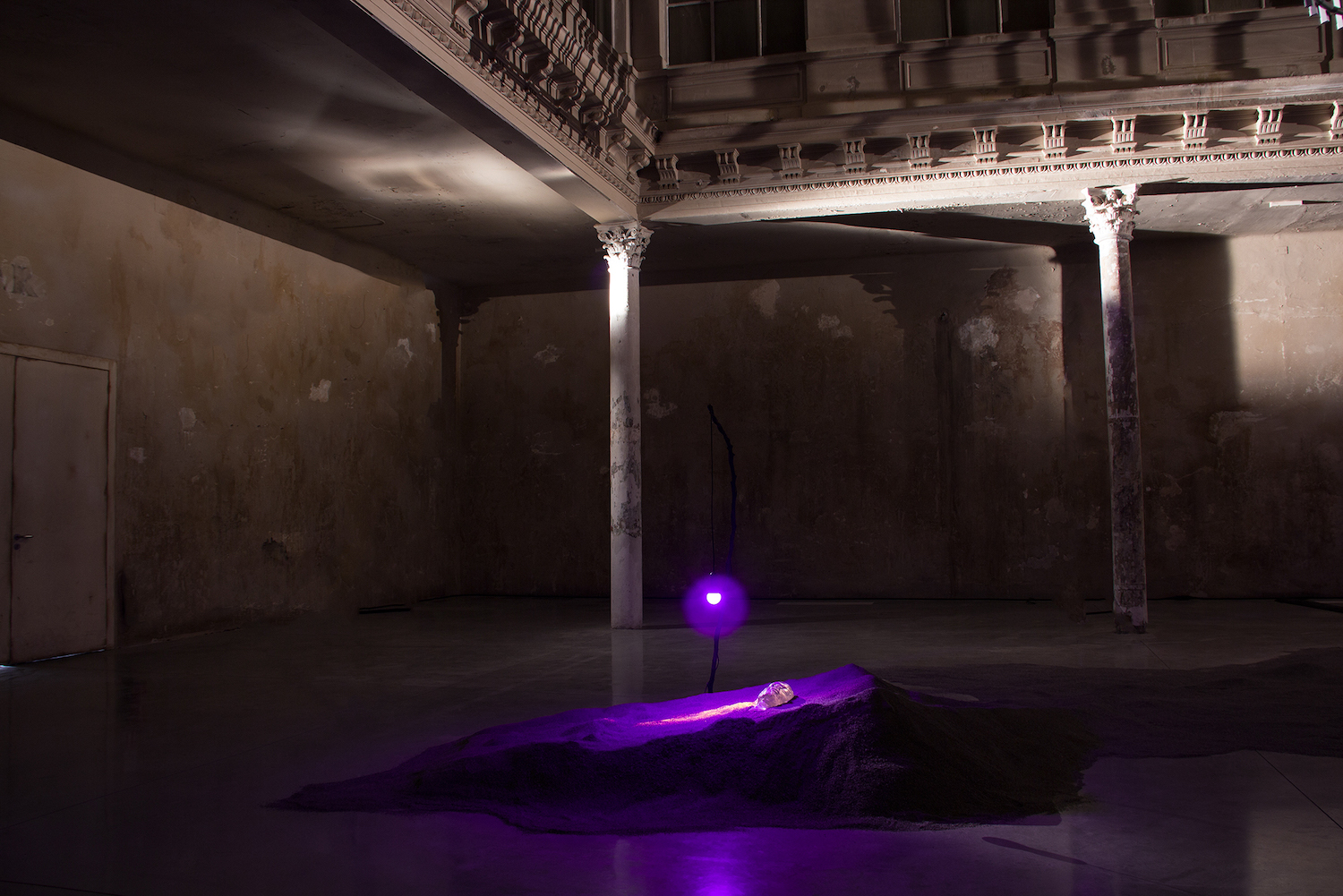
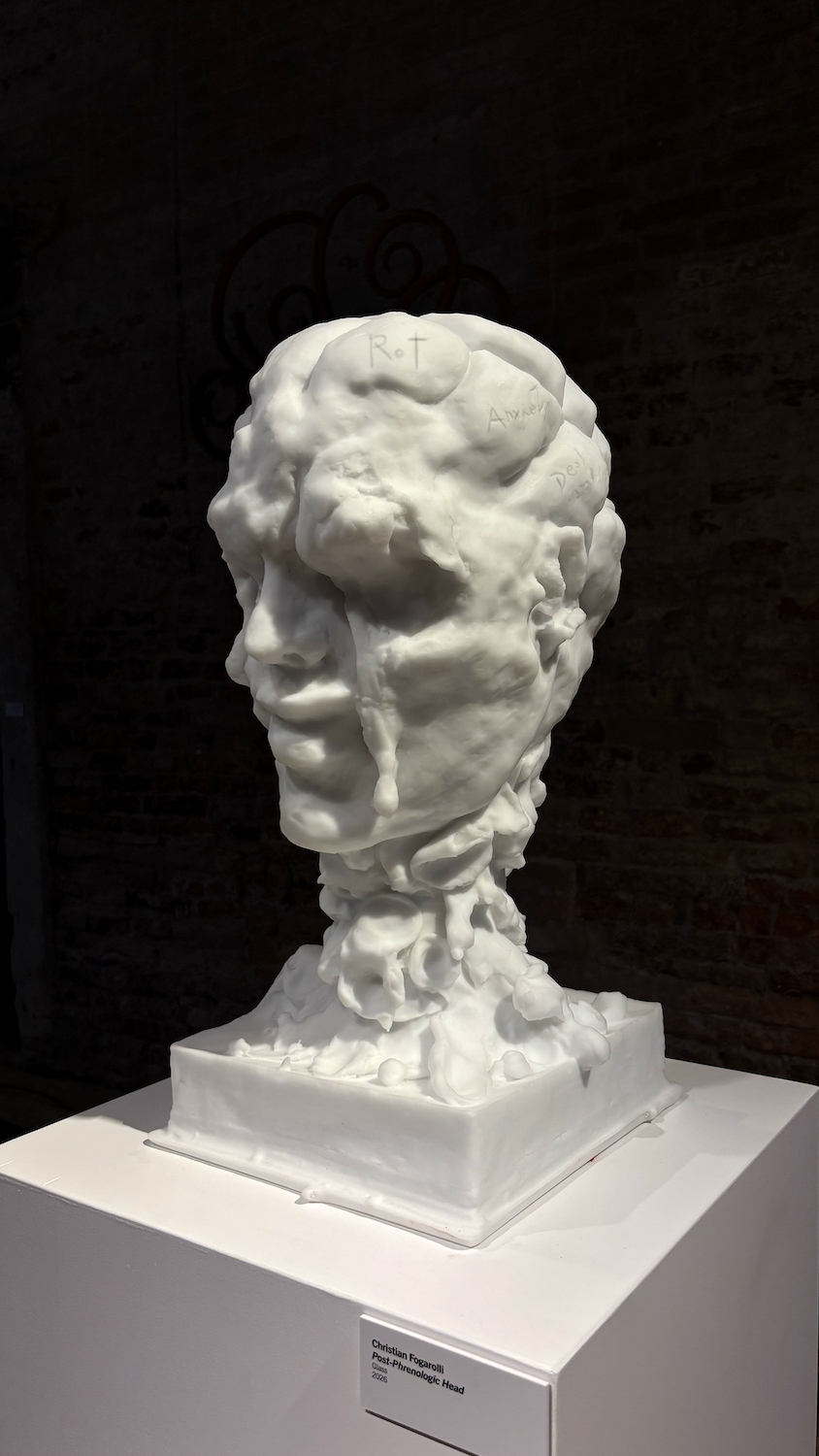
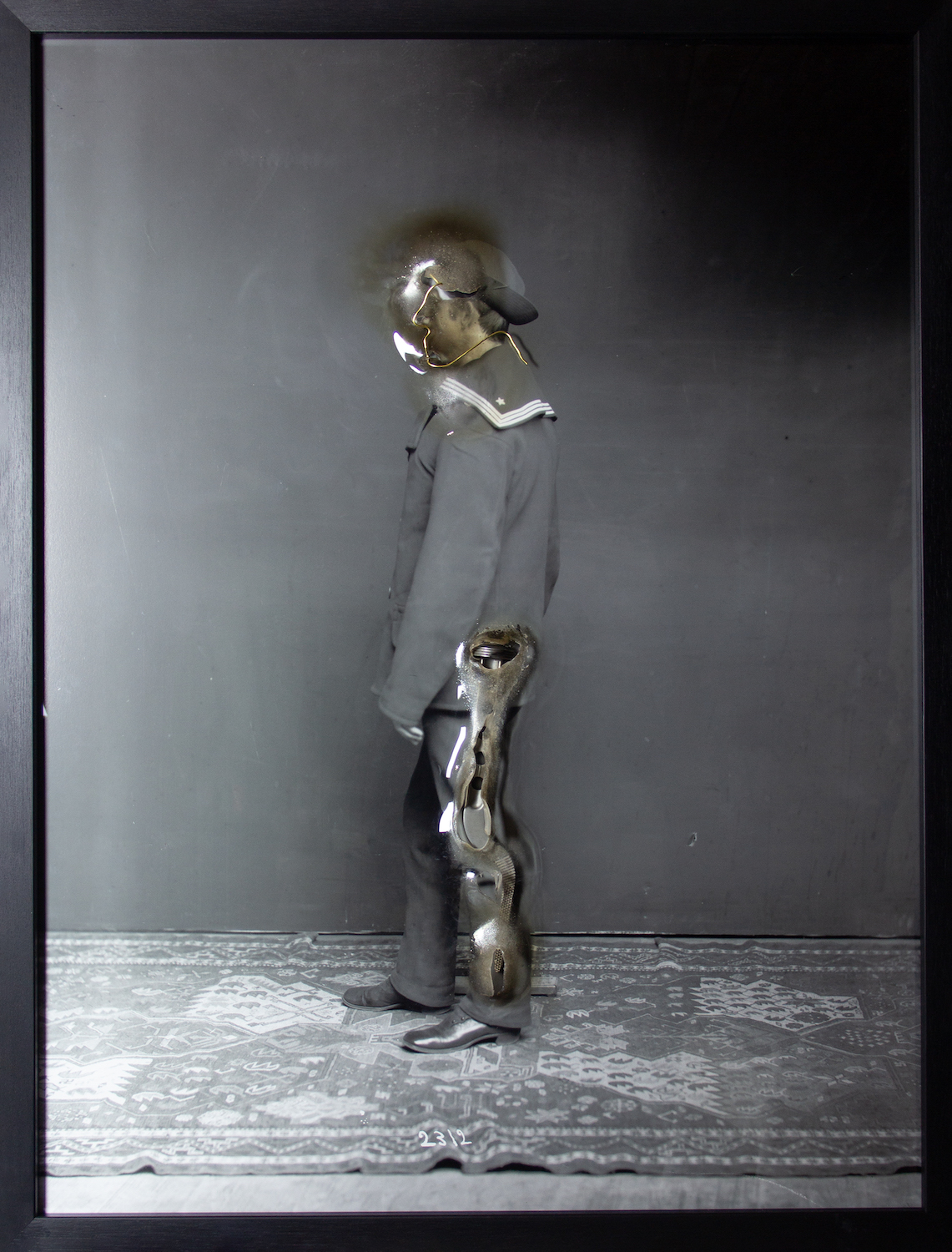
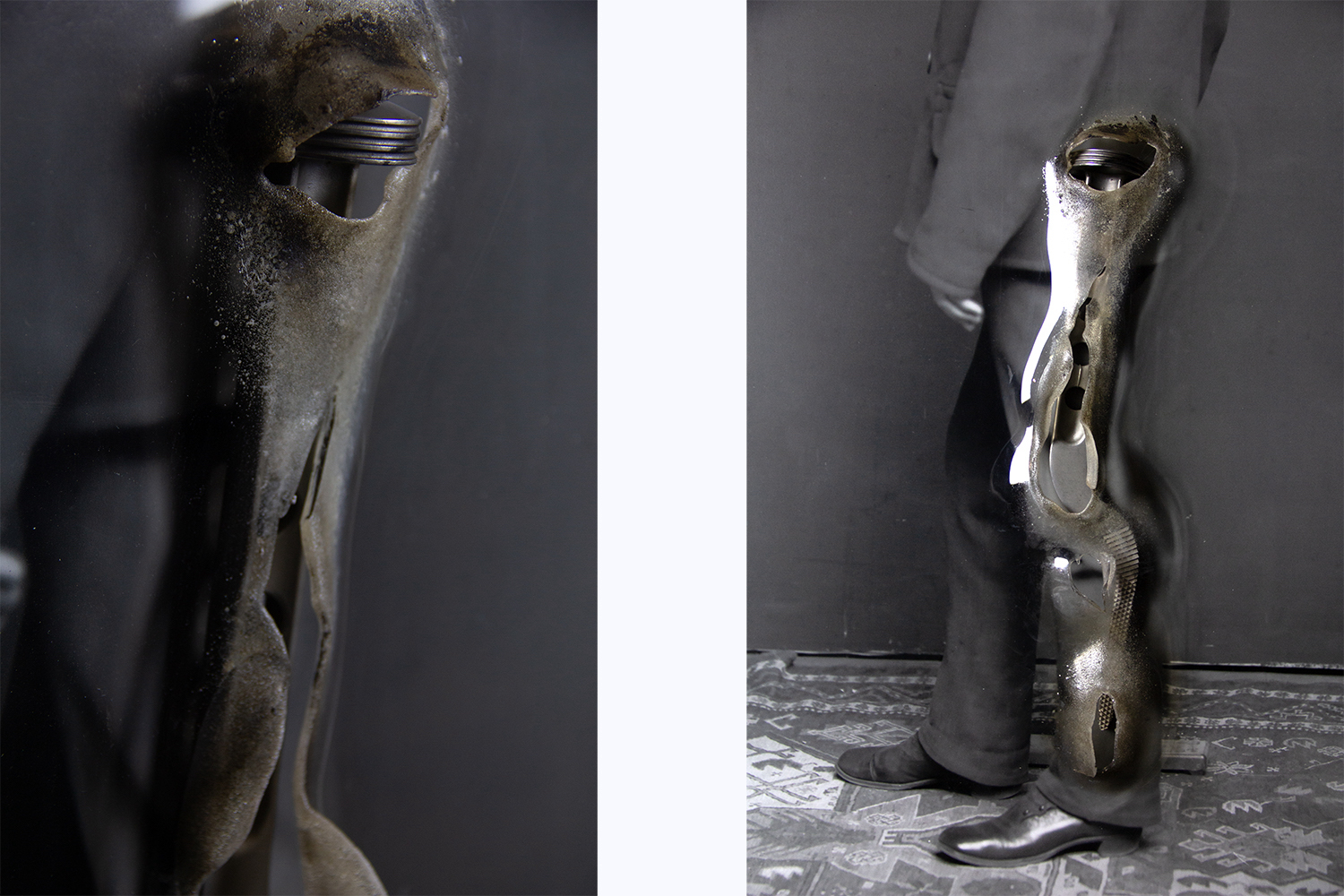
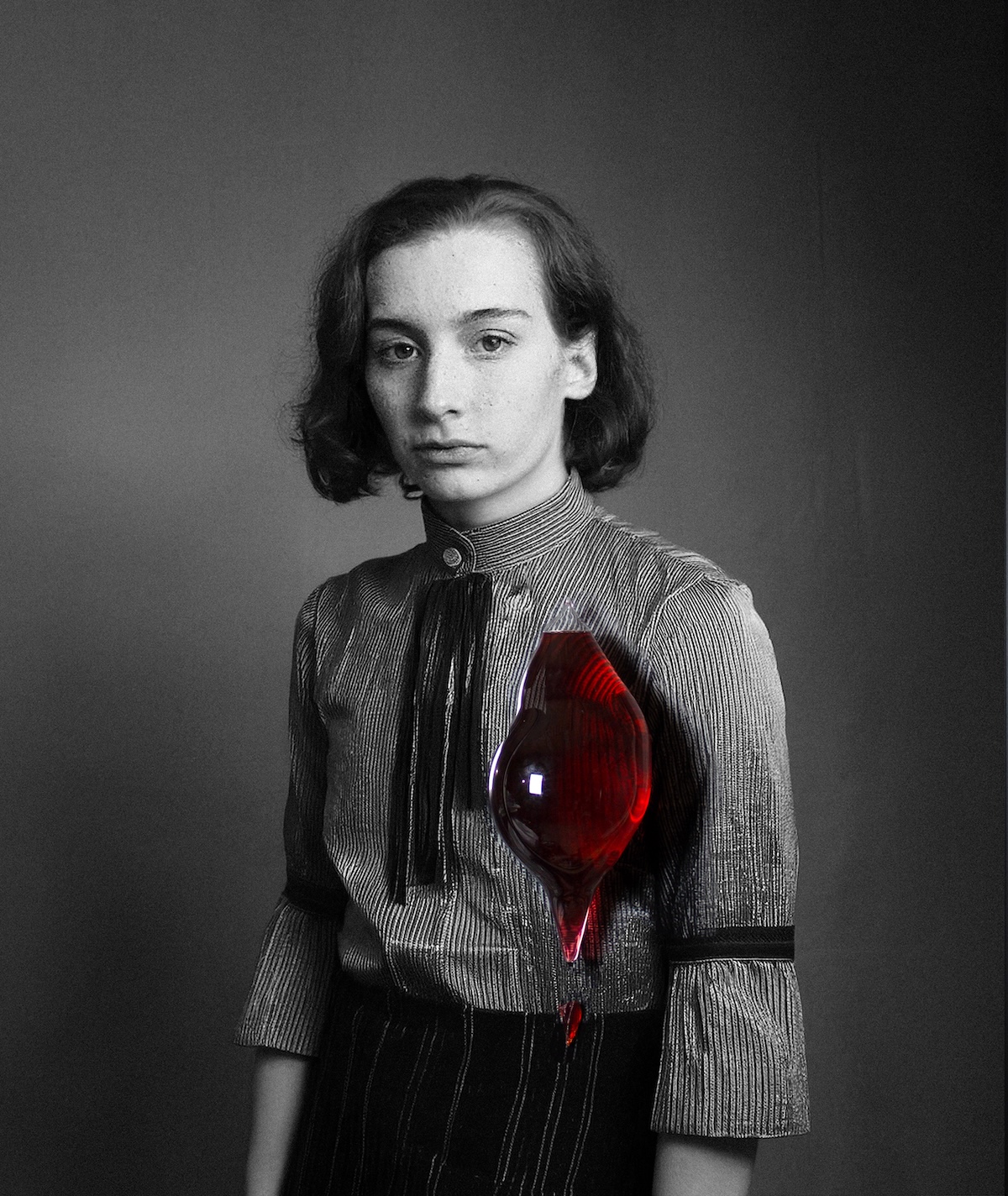
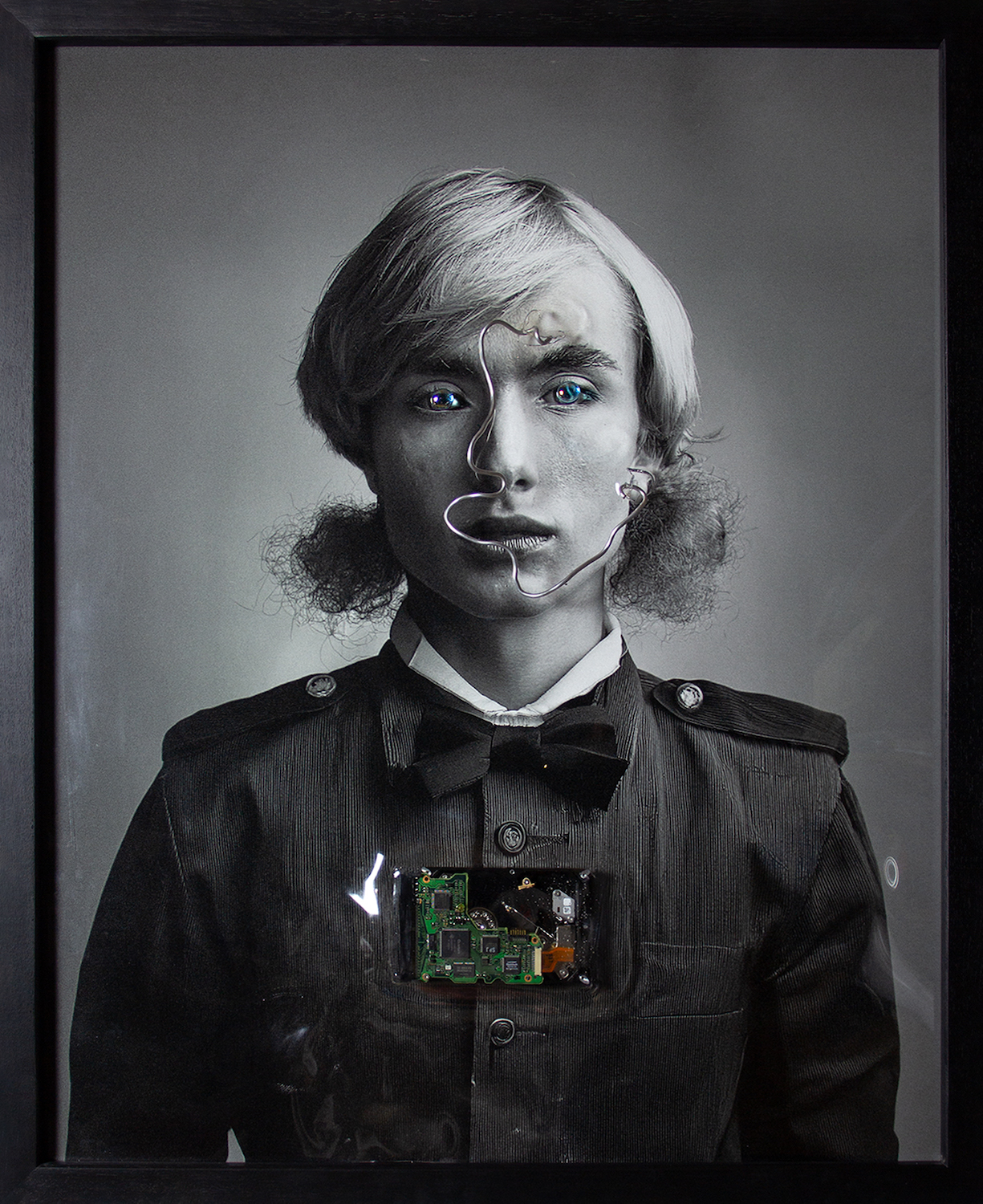
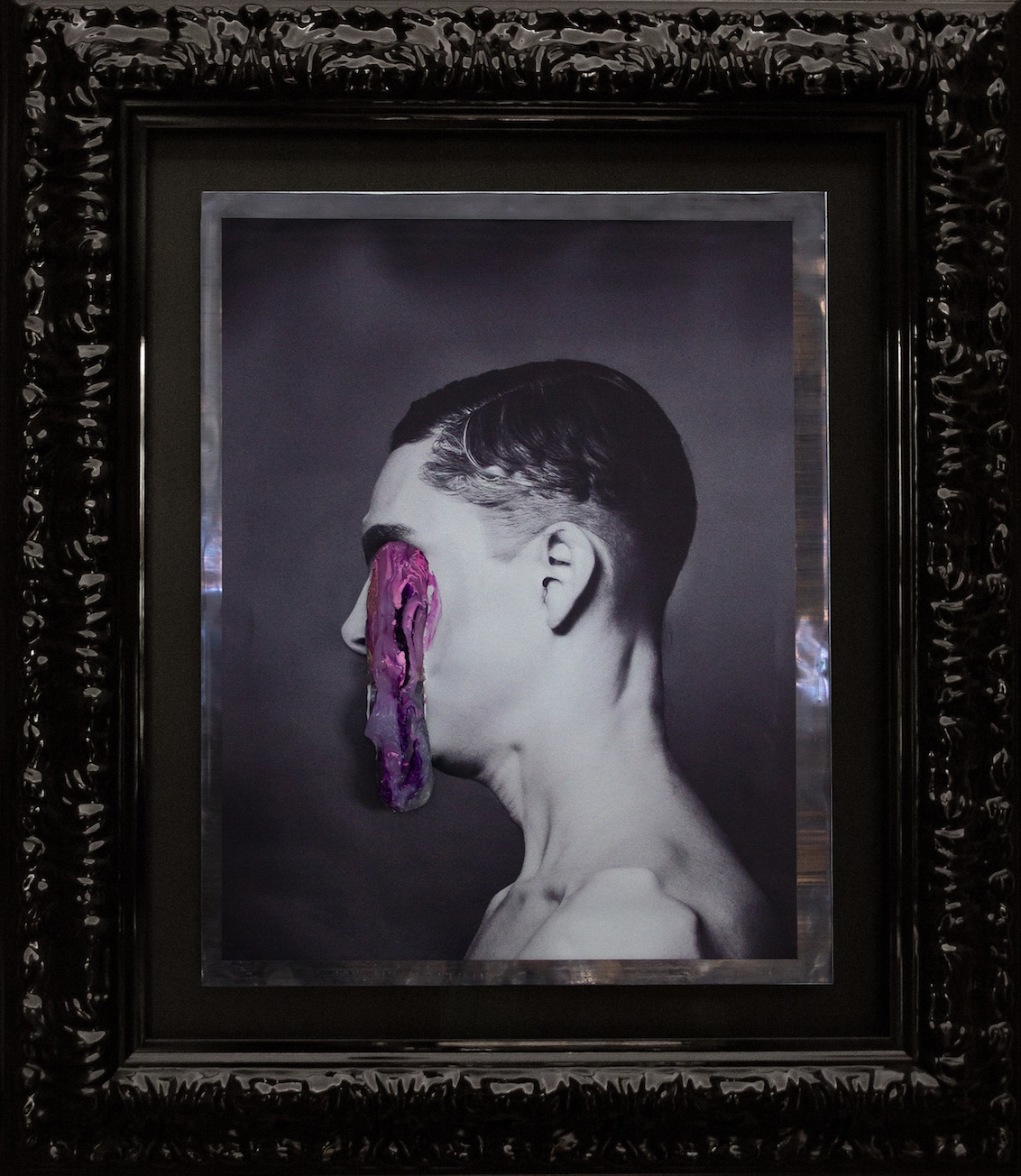
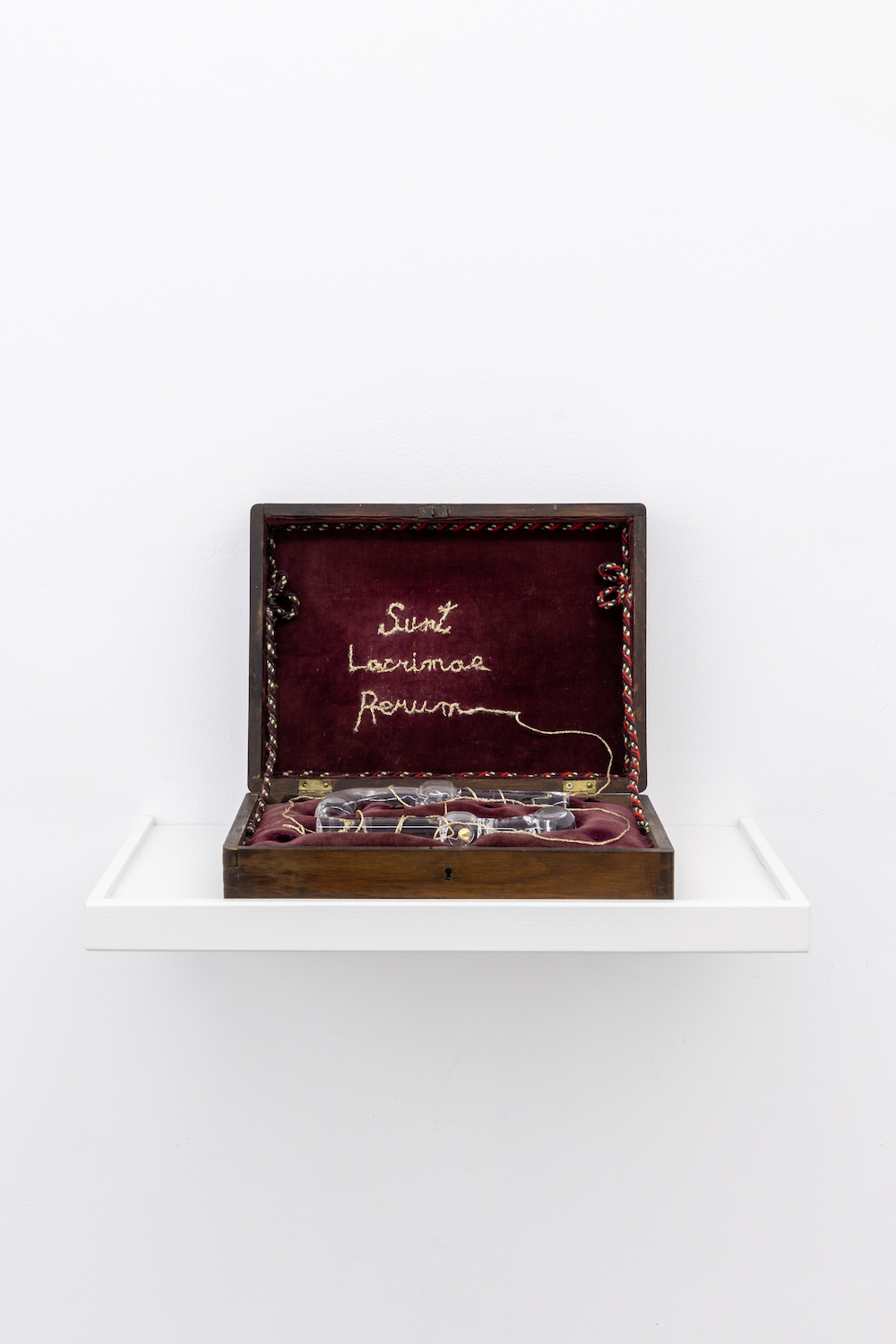
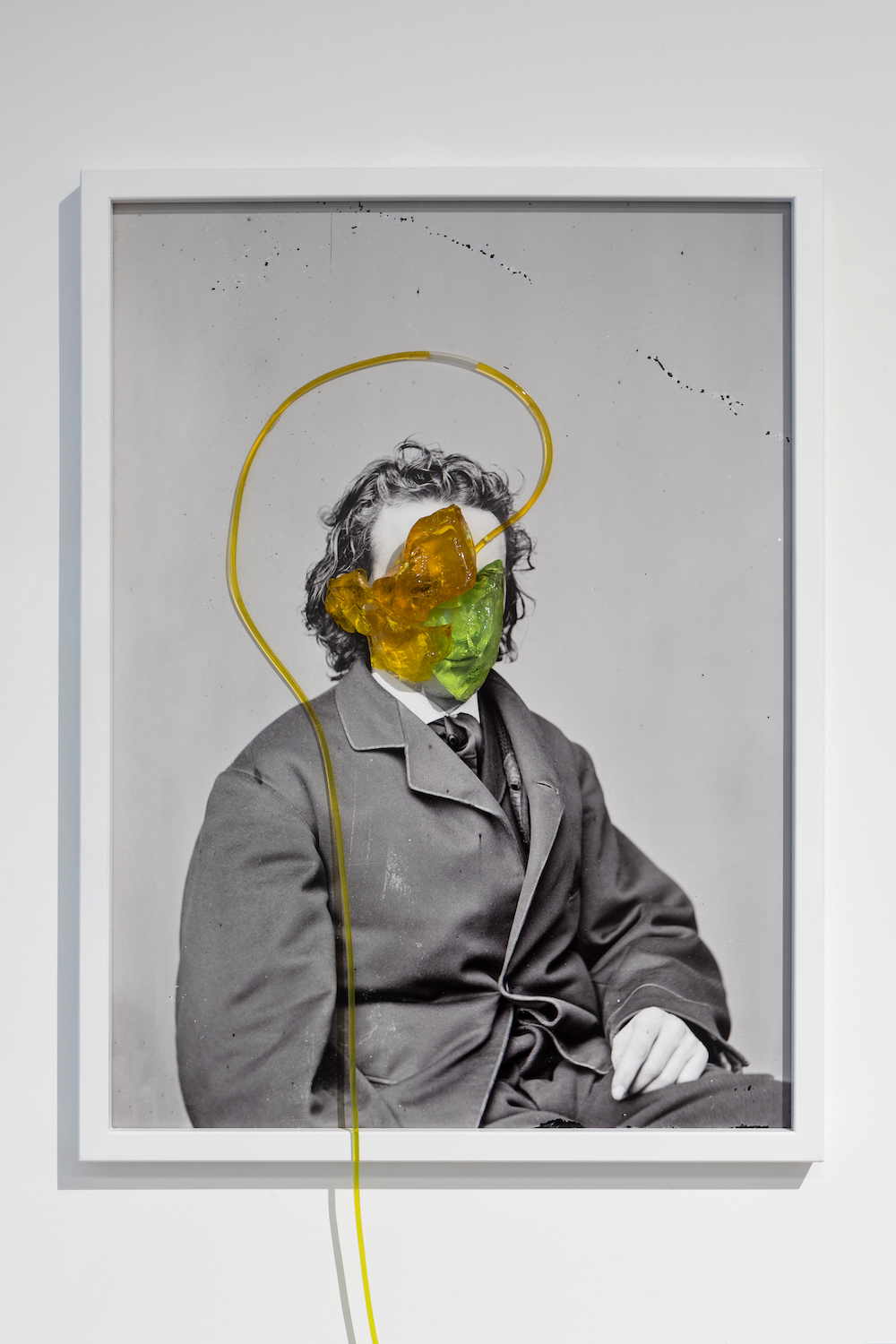
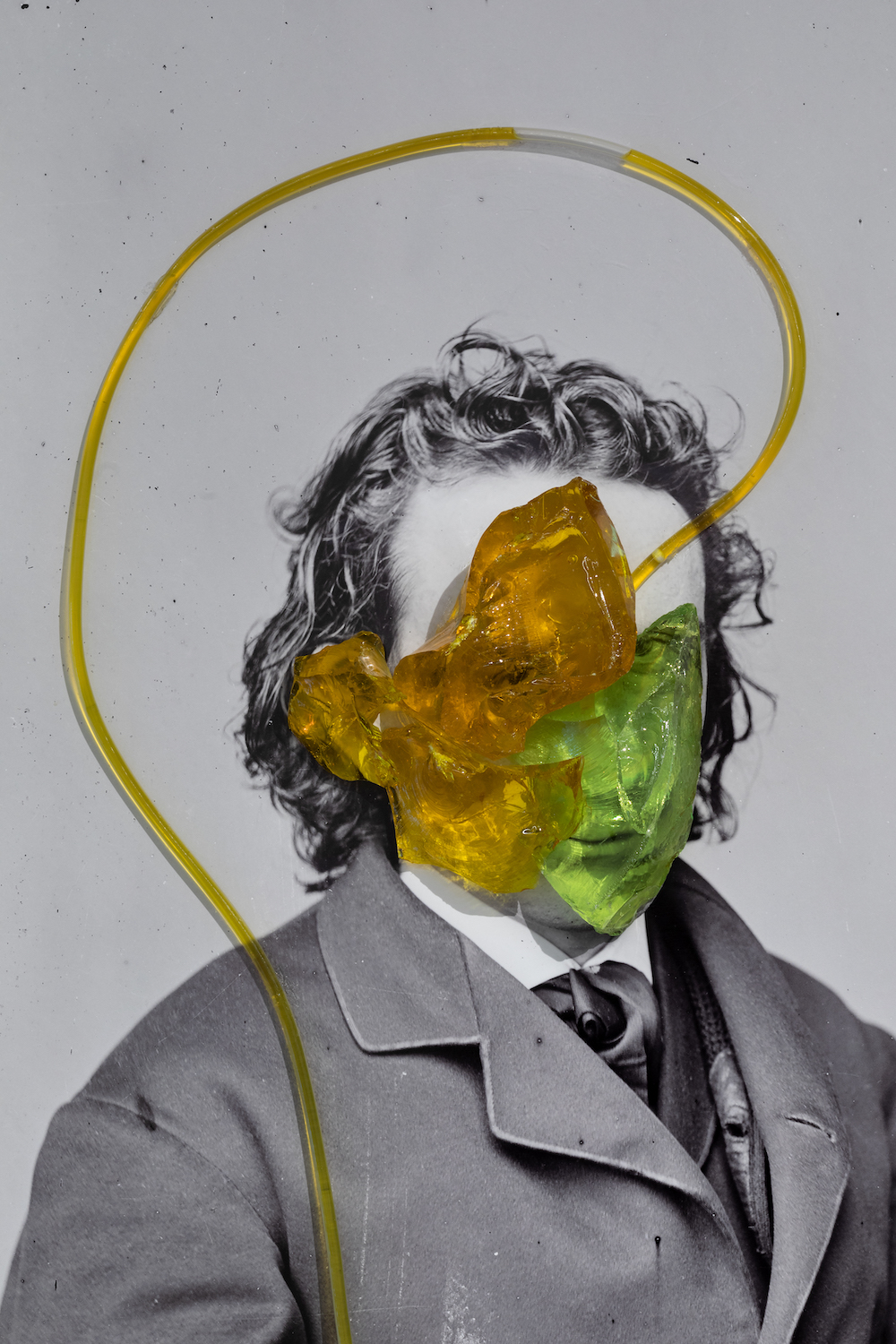
His work takes shape through research conducted in archives, museums, hospitals, and scientific institutions, where documents, artefacts, and collections become the starting point for questioning the processes through which knowledge is produced, organized, and transmitted. Rather than recovering forgotten heritage, Fogarolli examines how systems of classification reflect particular conceptions of the human being and contribute to defining what a society considers normal, pathological, or marginal.
Working across installation, photography, sculpture, and video, he intertwines historical materials with contemporary visual languages, transforming documents and scientific objects into spaces for reflection. His works explore how science and technology have shaped representations of the mind, behaviour, and identity. Today, his research extends to digital technologies and artificial intelligence, examining their influence on cognitive processes, identity, and emerging forms of classification and control.
Christian Fogarolli graduated in Archaeology in 2007 and earned a Master's degree in Art History from the University of Trento in 2011, alongside a postgraduate specialization in the diagnostics and conservation of artworks at the University of Verona. Since 2011, he has developed an artistic practice grounded in historical and archival research, exploring the relationship between knowledge, representation, and identity.
The results of his research have been displayed in events such as dOCUMENTA (13), Kassel (2012); MART, Museum of Modern and Contemporary art of Rovereto (2013); The Maison Rouge in Paris (2014); Museum of the Foundation Miniscalchi-Erizzo in Verona (2015); de Appel arts centre of Amsterdam (2015); 5th Moscow International Biennale in Moscow (2016); the Hunterian Museum in Glasgow (2017); Gaîté Lyrique of Paris (2017); Haus der Kulturen der Welt in Berlin (2017); Les Rencontres de la photographie d’Arles (2018); MAXXI, the National Museum of the 21st Century Arts, Rome (2018); Fortuny Palace Museum, Venice (2018); Musée de Grenoble (2019); Musée d’histoire de la Médecine in Parigi (2020); MARe Museum of Contemporary Art in Bucarest (2020); STATE Experience Science in Berlin (2020); Löwenbraukunst Art Center e schwarzescafé Luma Westbau in Zurich (2020); Fondation Gschwandner Reaktor in Wien (2020); GAM Galleria di Arte Moderna in Turin (2020); MAMM Multimedia Art Museum in Moscow (2020); Benetton Foundation in Treviso (2021); MAMbo, Museo d’Arte Moderna in Bologna (2022); CCCB Centre de Cultura Contemporània de Barcelona (2022); MART, Galleria Civica, Trento (2014-18-23); Fundación Telefónica in Madrid (2023); Futurium Museum in Berlin (2026).
He received research and residency awards at the College of Physicians and Mütter Museum, Philadelphia (2018); Futura Center for Contemporary Art, Prague (2018); Italian Council Prize granted by the Italian Ministry of the Culture, Rome (2019-25); A Collection Prize, Vicenza; Boghossian Foundation - Villa Empain, Bruxelles (2024).